
Frozen Food Delivery
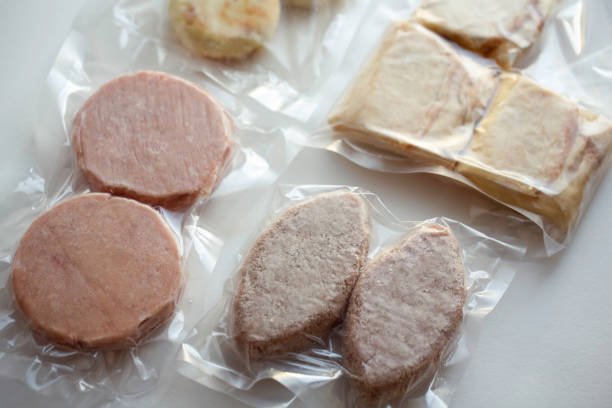
Keeping it Cool: Why So Iccy cold delivery is the Game Changer for Frozen Food Delivery
The way we shop has shifted. Between grocery subscription kits and the explosion of local food delivery, the “cold chain”—the process of keeping food at the right temperature from farm to front door—has never been more critical.
If you are a business owner in the food industry, you know that a single equipment failure can mean thousands of dollars in lost inventory. That’s where So Iccy steps in to bridge the gap with their specialized refrigerated trailers.
Built for the Long Haul
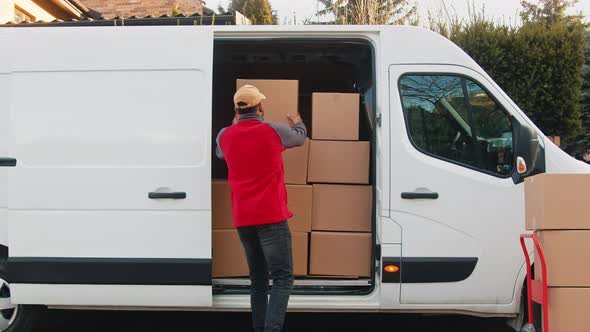
Unlike standard trailers that might use retrofitted cooling units, So Iccy’s refrigerated delivery vans are engineered specifically for the demands of over-the-road use. Here is what sets our refrigerated trailers apart:
- Seamless Fiberglass Design: The 100% seamless fiberglass construction isn’t just about aesthetics; it makes the units incredibly easy to clean and maintain, ensuring you meet strict food safety standards.
- Superior Insulation: With 4-inch walls, these trailers are built to keep the cold in and the heat out, even in the middle of a summer delivery route.
- Versatile Temperature Range: Whether you’re transporting fresh produce at 50°F or frozen meats at 0°F, the adjustable range gives you total control.
- Heavy Duty Specs: Every unit features 54-inch reinforced doors and a pallet duty floor, making loading and unloading with heavy equipment a breeze.
Efficiency That Saves You Money
One of the biggest hurdles for mobile refrigeration is power. High-voltage requirements can limit where you can operate. So Iccy solved this by utilizing refrigerated units that are remarkably energy-efficient.
All trailers are electric and run on a standard 110V and 15-amp circuit. This means you can plug in almost anywhere without needing specialized electrical work or noisy, expensive generators. It’s a win for your bottom line and a win for your carbon footprint.
Who is it for?
While they are a go-to for frozen food, these trailers are versatile enough for:
- Single-unit restaurant operators need extra storage.
- Schools and healthcare facilities.
- Government agencies.
- Catering for large-scale events and trade shows.